As an Amazon Associate and member of other affiliate programs, I earn from qualifying purchases.
For years, sprouts have been overshadowed by their slightly older siblings, sunflower microgreens. But for anyone serious about nutrition, sunflower sprouts boast powerful benefits all their own. These small but might greens are among some of the most nutritionally complete foods you can add to your plate.
Sunflower sprouts deserve some extra love—if not for their hearty texture and flavor then most definitely for their extraordinary health benefits.
What Are Sunflower Sprouts?
A sunflower sprout is a germinated sunflower seed—specifically the black oil variety—that is consumed early in its growth cycle. These seeds are cultivated indoors, either hydroponically or grown in soil, under ideal moisture and temperature conditions.
The growth period for sprouts is typically anywhere from three to seven days, but can go up to 12 days. This swift, controlled germination process unlocks the seed’s stored nutritional energy. The result is a highly concentrated superfood known as the sunflower sprout!
When you consume a sunflower sprout, you eat the entire young plant—the small, protein-rich seed, the tender white stem, and the root hairs—all of which contribute to its distinctively hearty, nutty flavor and satisfying crunch.
It’s a whole-food powerhouse ready to transform your meals with minimal effort. Speaking of transforming meals … keep reading for delicious ways to do exactly that.

A NOTE FROM CORTNEY
Support Your Local Growers
Growing microgreens has become very popular in recent years. It’s not something I have taken up, but my husband and I are blessed to live in an area where there are several farmers that make bi-weekly deliveries to our neighborhood.
One particular farmer grows hydroponic greens and has extensive knowledge in hydroponic farming. I saw a sign for the farm one day and randomly decided to stop by. I was there for two hours talking to her about the benefits of hydroponic microgreens compared to soil-grown microgreens.
Stay curious, get to know your local farmers and food suppliers and educate yourself on the health benefits of produce that is local to your area. You just never know how it can bless your life and boost your health!
Take note that the sunflower greens in my photo are a bit larger and older than tiny sunflower sprouts that are less than a week old. I bought those from the local microgreen farmer, and thought they were absolutely gorgeous (and worthy of their very own photoshoot as seen in the gallery below).
Here’s to fueling your body with good-for-you ingredients that are as beautiful as they are delicious—and nutritious!

Sprouts vs. Microgreens
The difference here boils down to the growing method and maturity, which can profoundly affect the plant’s nutrient profile. This is true for any sprout, shoot and microgreen, not just those that are germinating from black sunflower seed oil.
Here’s a quick breakdown:
For a deeper analysis of this distinction, please reference my in-depth ingredient guide: A Complete List of Microgreens, Shoots and Sprouts.
It’s where I’ve indexed more than 70 types of microgreens, broken down into three primary categories (hence the title: microgreens, shoots and sprouts). You’ll find a detailed definition of these three categories, as well as a list of microgreens to avoid.

Sprouts Are a Nutritional Powerhouse
The process of sprouting is not simply growing a seed; it’s a metabolic process that unlocks and concentrates nutrients, drastically reducing “anti-nutrients” like phytic acid and making minerals more bioavailable.
Bioavailability refers to the body’s ability to absorb and use nutrients. This can depend on many internal and environmental factors, including how the food is nutritionally structured, how it’s processed and cleaned, whether the body has too much or too little of a specific nutrient … all of these factors impact the bioavailability of the nutrients in our food.
Amino Acids & Complete Proteins
Sunflower sprouts are one of the best whole-food sources of complete protein in the plant kingdom, often cited as containing up to 20-25% protein. What’s more, the sprouting process boosts levels of essential amino acids, which are the building blocks necessary for muscle repair, enzymatic functions, and skeletal development.
Essential Vitamins and Minerals
Sunflower sprouts are an exceptional source of many essential nutrients, including but not limited to:
- Vitamin E: A potent, fat-soluble antioxidant that protects cells from oxidative stress. It works synergistically with Vitamin C and Selenium to benefit cardiovascular health.
- B Complex Vitamins: They are a major source of B vitamins, including Folate (B9), which is essential for cell division and is vital during pregnancy.
- Magnesium: Necessary for hundreds of biochemical reactions in the body, including nerve and muscle function, and energy production.
- Zinc: A powerhouse mineral vital for immune system function and cellular repair.
- Chlorophyll: The vibrant green pigment, rich in magnesium, is often lauded for its ability to support blood health, promote detoxification, and aid in calming inflammation.


Benefits for Digestion and Heart Health
Personally, these are two areas that I have struggled with the most on my health journey. Three years ago I was diagnosed with a genetically high cholesterol. I’m always watching for ways to decrease my sodium intake and increase heart-healthy fiber and omegas in my diet.
cardiovascular support
This is great news, as he combination of Vitamin E, healthy unsaturated fatty acids (omega-6 and oleic acid from the seed’s remnants), and anti-inflammatory compounds found in sunflower sprouts come together to help reduce LDL cholesterol (that’s the “bad” one), increase arterial elasticity, and may even lower overall blood pressure.
Gut health
Something I didn’t know until I began conducting research for this article is that sprouting also activates enzymes that help pre-digest starch and proteins. This enzyme-rich profile is believed to improve overall gut health and may aid in reducing intestinal gas or digestive discomfort often associated with beans or legumes.
That’s where you get the heart-gut connection. Beans and legumes are incredible for those of us who are watching our cholesterol. If we can add sunflower sprouts and microgreens to aid in digestion, that’s a win!
Don’t forget to pin this for later!

Sunflower Sprouts Require Food Safety
Because sprouts are grown in a warm, high-humidity environment, they carry a slightly elevated risk of bacterial contamination (E. coli, Salmonella). This is a vital piece of food safety information that everyone who eats sunflower sprouts—or sprouts, shoots and microgreens, in general— must keep in mind.
Both the Centers for Disease Control and Prevention, or CDC, and the Food and Drug Administration, or FDA, consistently warm that due to this risk, at-risk groups should be very careful about consuming raw sprouts, or should refrain from eating them altogether. At-risk groups are women who are pregnant, children, those with existing health conditions, as well as individuals who are immunocompromised.
helpful tips

San Jose del Cabo, Mexico
How to Eat Sunflower Sprouts
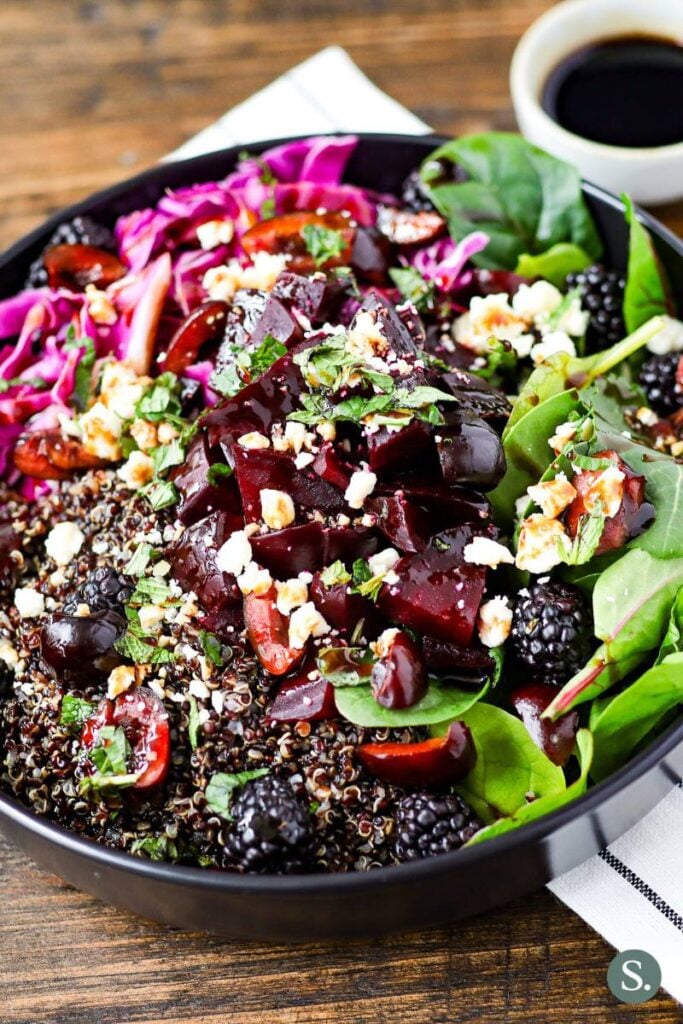
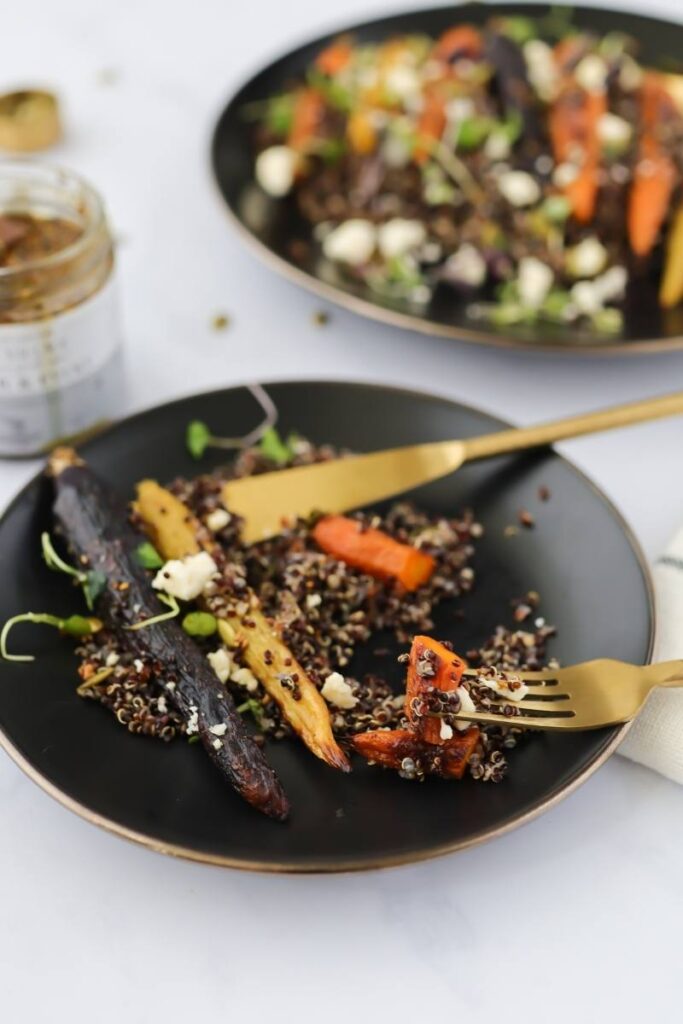
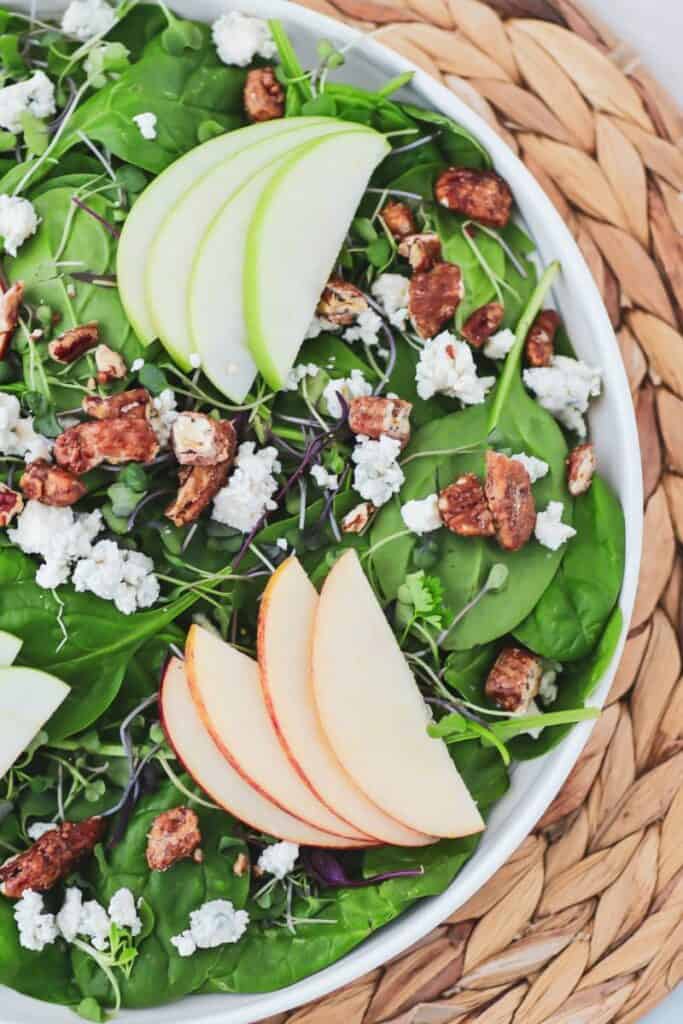
The best way to consume sunflower sprouts is raw, providing you are following the food safety guidelines provided in the section above. Raw sprouts have a fresh, hearty texture and nutty flavor that enhancing many dishes.



FAQs
Spruce Up Your Plate with Sunflower Sprouts
If you’ve made it this far in the article, I hope you’ve found that sunflower sprouts are far more than a garnish. They’re mighty mini greens worthy of their superfood status!
By understanding the small but significant differences between sprouts and microgreens and taking sensible safety precautions, I hope you’ll find fun ways to add sunflower sprouts—and microgreens in general—into your daily eating habits.
Get your crunch on and give your next meal a vital nutrient boost—your body will thank you for it.
Happy Sprouting!

you may also enjoy …
How to Eat Microgreens: 13 Ideas

Nice to Meet You!
I’m Cortney, and I’m so glad you’re here. I created Sweet New Roots after nearly two decades as a professional writer, primarily in the healthcare industry. Today, the Lord has blessed me with the opportunity to connect with people like you through Sweet New Roots. I love sharing recipes, evidence-based wellness content and faith-based encouragement and scripture.
*Disclaimer
All content and information on this website is for informational purposes only and does not constitute medical advice. Always consult a medical professional or healthcare provider if you are seeking medical advice, diagnosis or treatment. Sweet New Roots, LLC. is not liable for risks or issues associated with using or acting upon the information on this website.
More you may like
-
A Weekend Date with Wellness: 5 Low-Stress Ways to Show Yourself Love
The weekend is your opportunity to hit pause. Instead of filling your schedule, discover how making room for a “Weekend Date with Wellness” can offer deep, mental restoration. Here are 5 low-stress habits to help you find renewal and rest.
-
From Guesswork to Grounded: Reclaiming My Health with Superpower
Tired of lab results that don’t tell the whole story? Wellness isn’t a guessing game—it’s an act of personal ownership. See how I’m using Superpower biomarker data to move from a frustrated patient to an empowered advocate with a 7-step roadmap for intentional living.
-
Butternut Squash Substitutes: How to Choose the Right One for Your Recipe
No butternut squash? No problem! Whether you’re in a pinch or trying something new, these flavorful butternut squash substitutes will take your recipe to the next level.