As an Amazon Associate and member of other affiliate programs, I earn from qualifying purchases.
Finding the perfect butternut squash substitutes can save a recipe, but only if you know which ones actually work well with what you’re cooking.
As a home cook myself, I know the frustration of opening the pantry and realizing you don’t have what you need—or worse, trying a substitute that completely ruins the dish.
I’ve learned firsthand that alternatives to butternut squash are not all created equal. Blindly swapping one winter squash for another can lead to watery soups, bland roasts and sheet pan dinners that simply can’t be salvaged.
This guide goes beyond the generic advice and common myths to give you a reliable substitution strategy.
This guide isn’t about finding any alternative; it’s about discovering the best butternut squash substitutes for your specific needs.
It’s designed to help save your recipe when you’re in a bind, but major bonus if it encourages you to try something completely new or different.
Forget tasteless stand-ins; we’re diving into vibrant, flavorful vegetables that shine in their own right, ensuring your dishes taste exactly as they should.
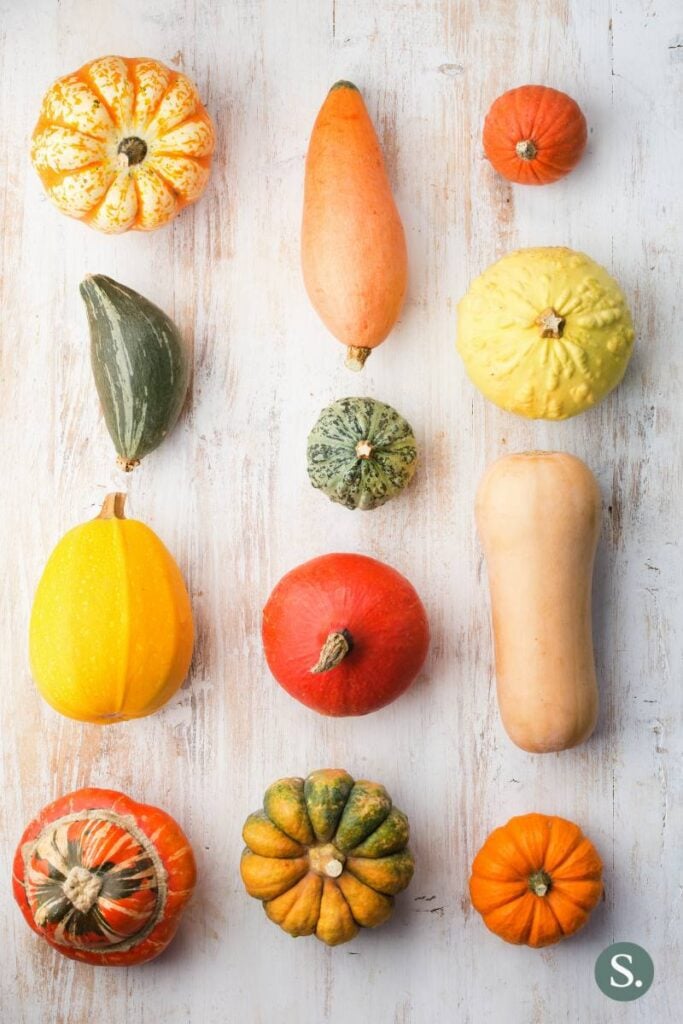
How to Find the Perfect Alternative to Butternut Squash
The guide is structured to help you make smart swaps, moving beyond the misconception that “any winter squash will do.”
I’ve broken down each alternative into mini profiles, grouping them into three sections based on the specific job they do best.
For each butternut squash substitute, you’ll find a detailed paragraph with helpful information followed by quick, scannable bullet points covering everything from flavor profile to texture comparison and recommended measurement ratios, among other good-to-know guidance.
Use the main headings to jump straight to your cooking goal—whether that’s a creamy soup or a hearty roast—and then use the profile bullets to confirm the best substitute for your specific recipe requirements.
Section 1. Dreamy, Creamy Texture
When a recipe calls for butternut squash, especially in purees, mashes, or creamy dishes, it’s often the silky, comforting texture we’re after. These substitutes deliver that comforting consistency, sometimes with an added bonus of convenience or a nuanced flavor twist. They are your heavy hitters, guaranteed to provide the dense, fiber-filled bulk you want for creamy risotto dishes, ravioli filling, mashes, casseroles, or pureed sides.
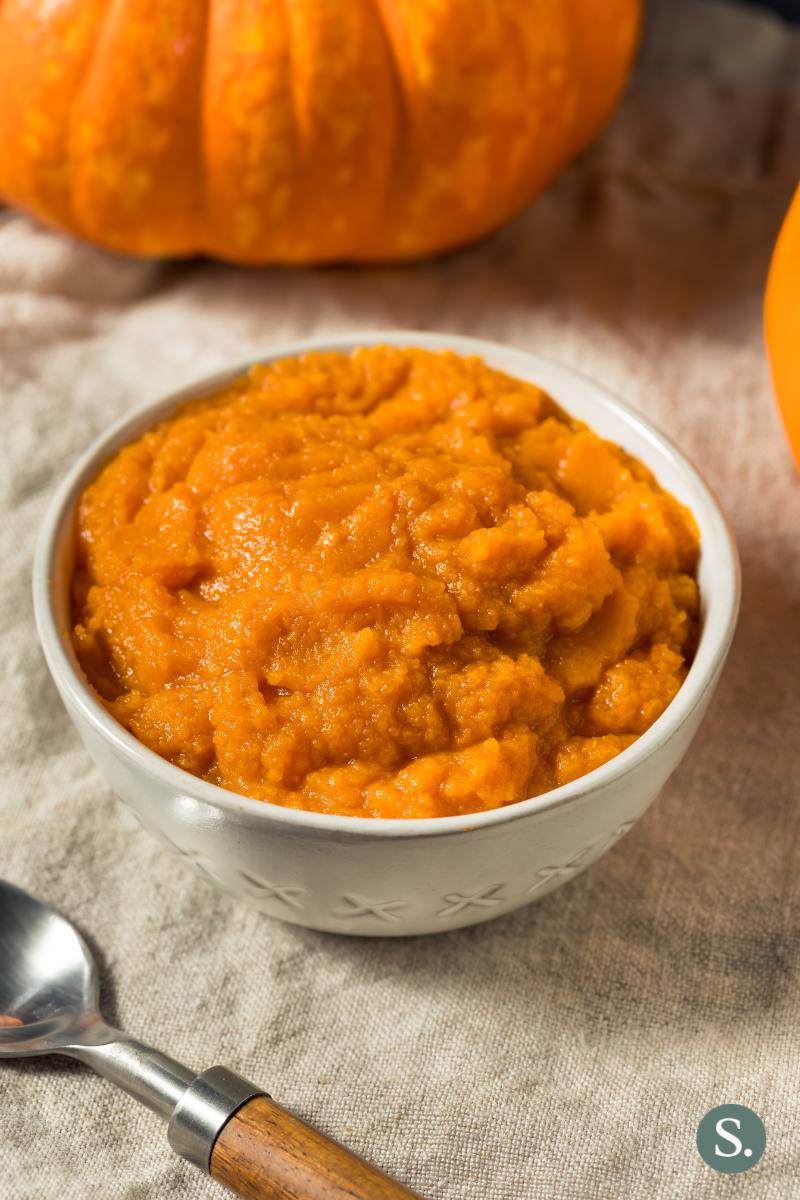
silky smooth purees
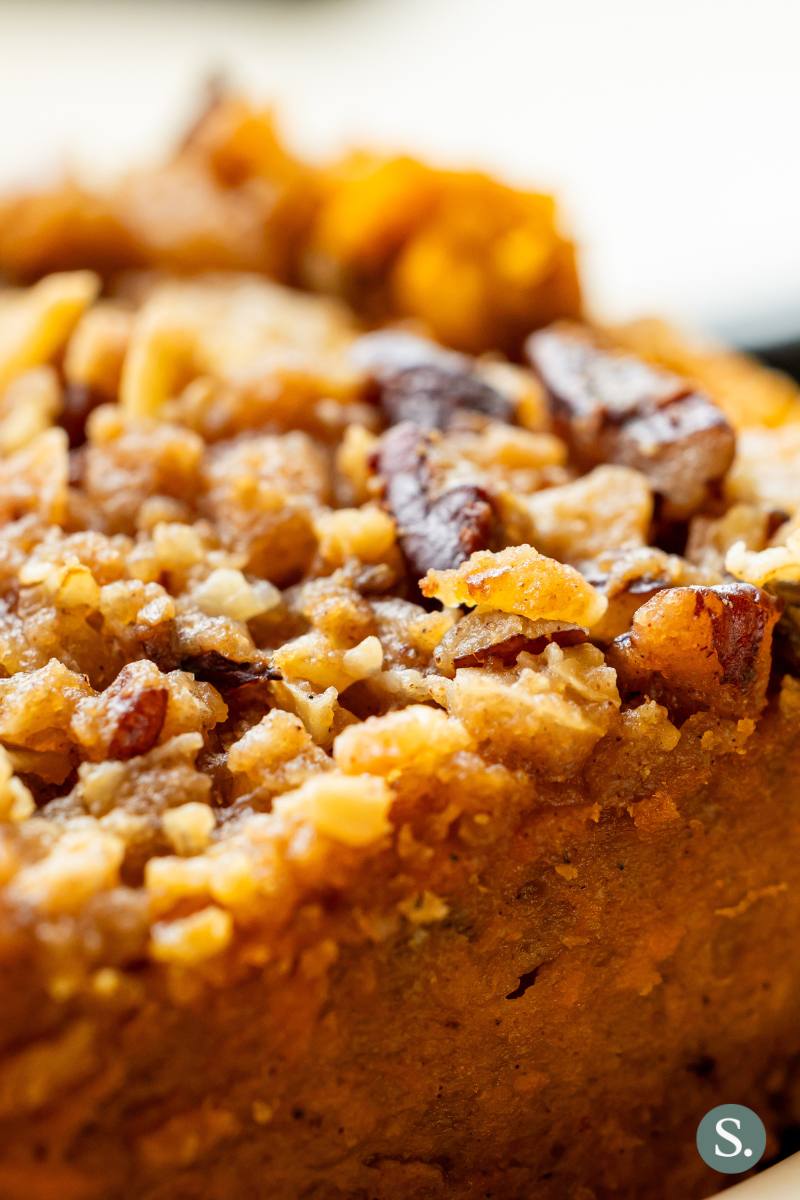
mashes & casseroles
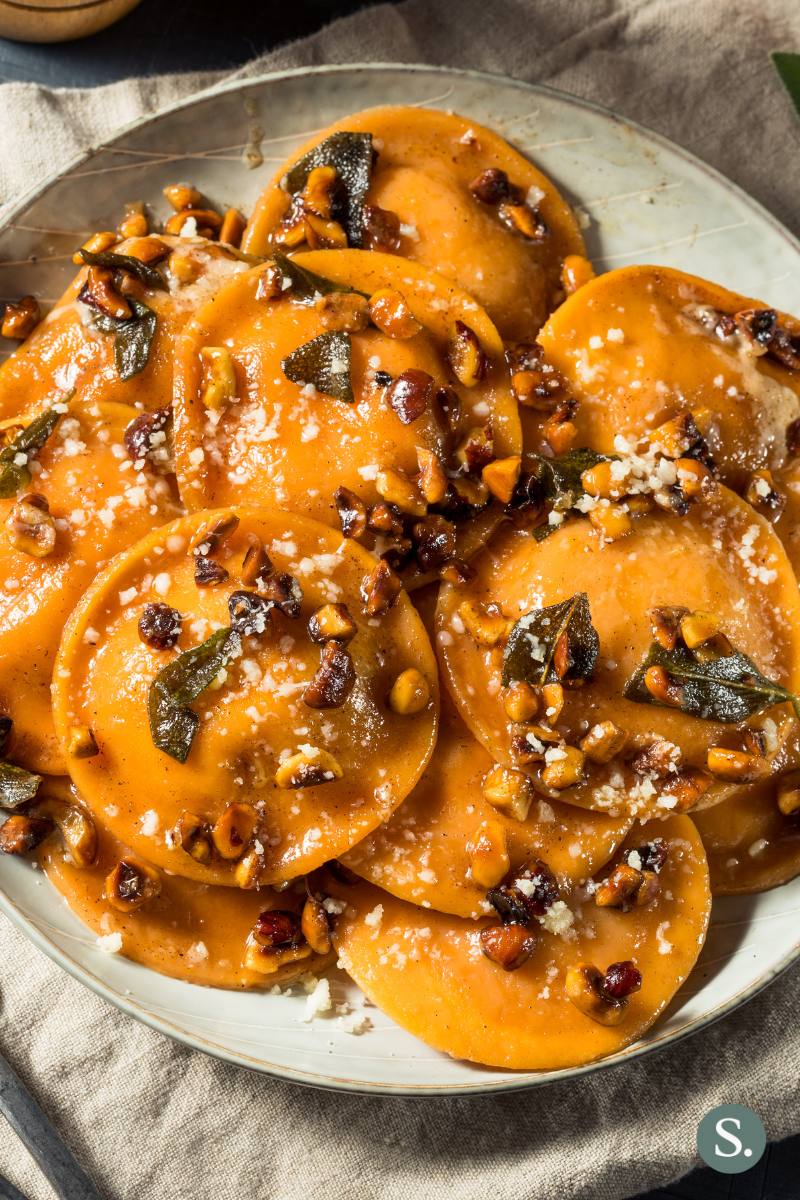
creamy ravioli filling
Kabocha Squash or Japanese Pumpkin
Kabocha squash, often dubbed “Japanese Pumpkin,” is a standout in this category. For me, this autumn gem is absolutely gorgeous. The green variety is most popular, but it also comes in a beautiful, vivid orange-red color. Kaboca boasts a slightly drier, yet incredibly smooth and velvety texture when cooked down. This makes it utterly delicious in curries where you want a robust squash presence without excess moisture, or even homemade gnocchi that needs a firm but tender base. A little secret: its thin skin is completely edible once cooked, saving you precious peeling time—a huge win in busy kitchens, not to mention the health benefits!
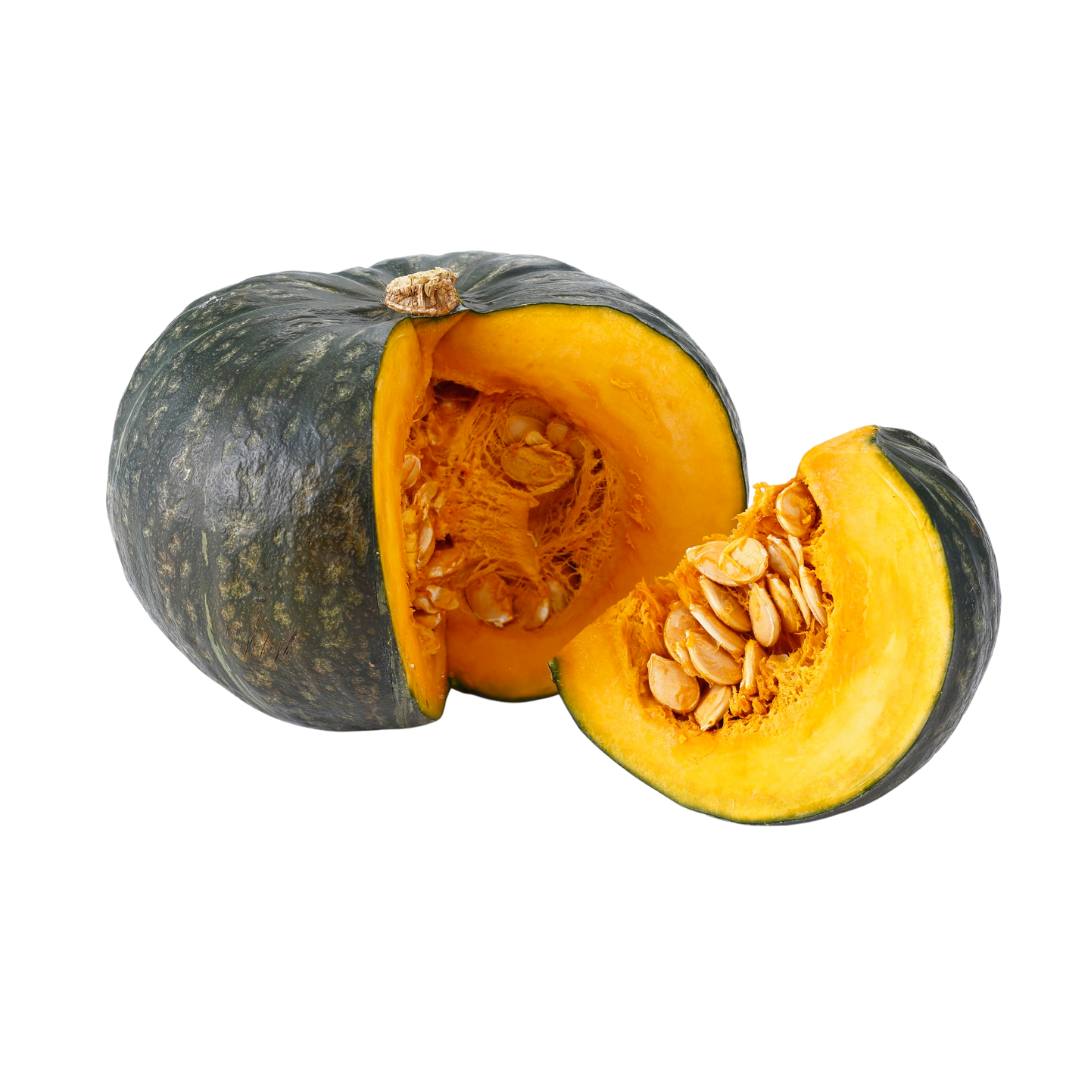
kabocha squash / japanese pumpkin
- Substitution Ratio: 1:1 by weight or volume of cubed flesh
- Flavor Profile: Earthy, slightly sweet, and richer than butternut squash
- Texture: Drier, starchier, and less stringy than butternut when cooked
- Complements: Ginger, coconut milk, curry powder, chili flakes, cilantro
- Other Uses: Roasting, steaming, frying (tempura), making Japanese-style croquettes
Sweet Potatoes
Sweet potatoes are an undeniable pantry hero, and a relatively common stand-in for butternut squash. While technically a root vegetable, they are fantastic in part because they’re so widely available. Sweet potatoes offer a similar vibrant color and a beautiful natural sweetness, making them incredibly versatile for mashing, roasting, or creating a creamy soup. They’re a forgiving ingredient that always delivers a comforting, familiar texture, and their high moisture content ensures a smooth finish in any puree as well.
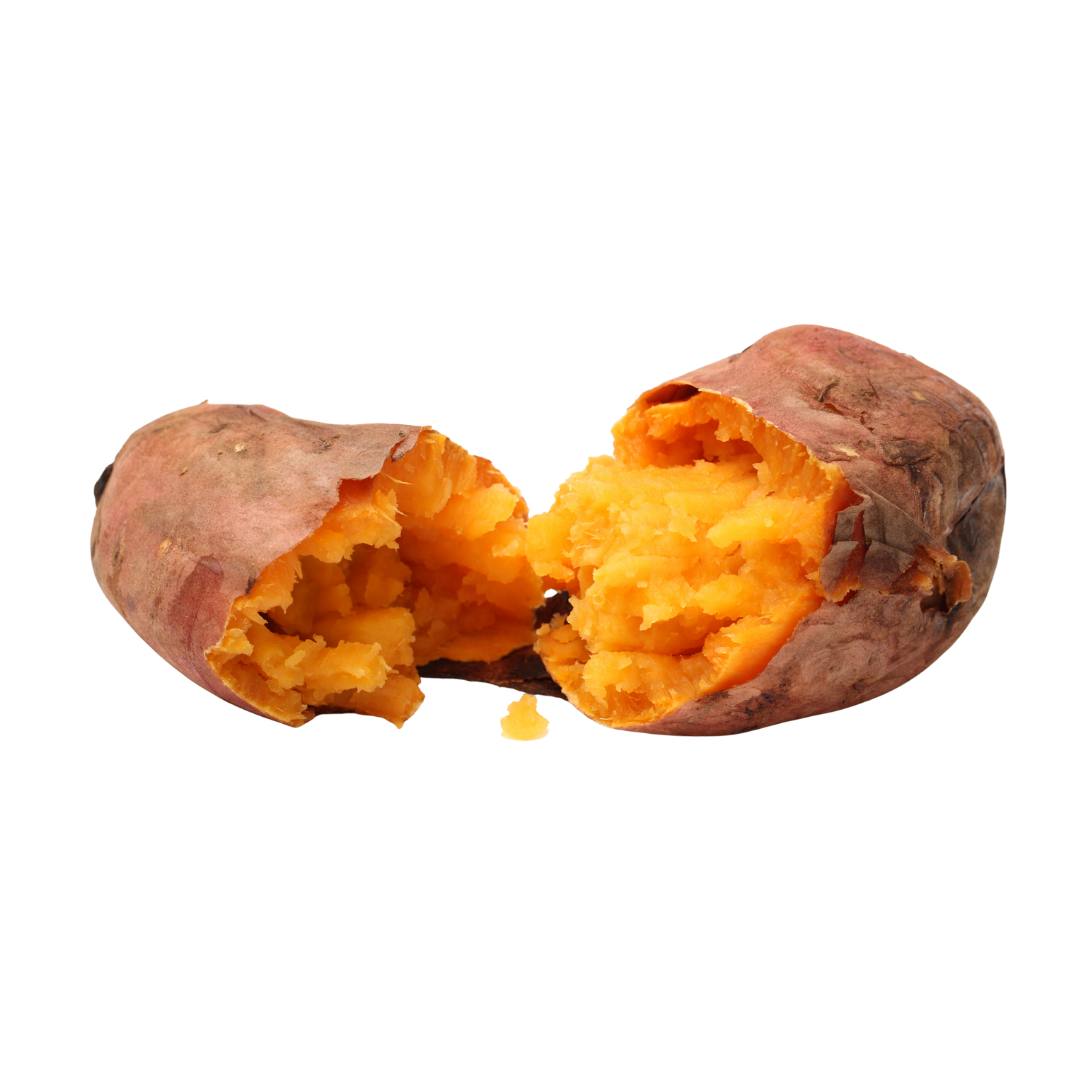
sweet potatoes
- Substitution Ratio: 1:1 by weight
- Flavor Profile: Sweeter than butternut, with a slightly more earthy element
- Texture: Very creamy, moist, and less dense than butternut squash
- Complements: Brown sugar, cinnamon, nutmeg, sage, lime, chipotle powder (yum!!)
- Other Uses: Fries, baking (muffins, bread), casseroles, breakfast hash and baked potatoes
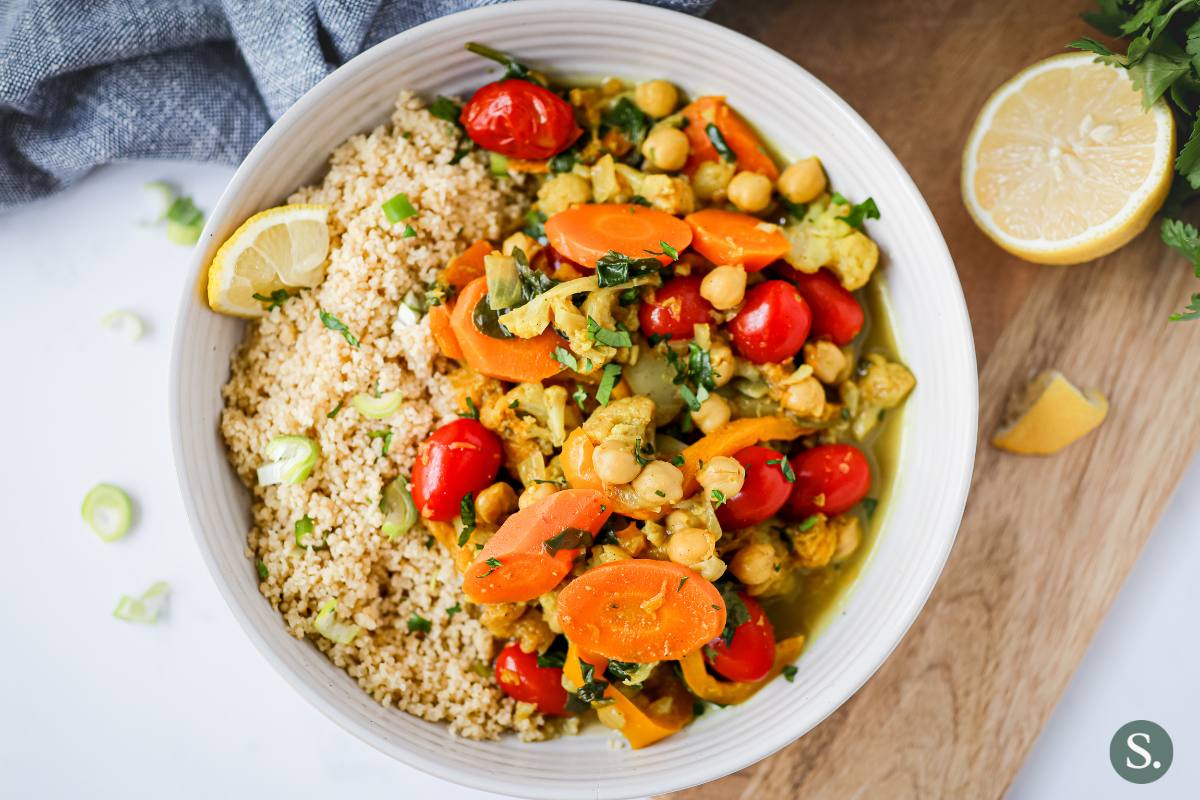
Butternut Squash Curry
Sweet Potatoes would be delicious in this heart-healthy Butternut Squash & Chickpea Curry recipe.
Featured recipe
Mild Culinary Pumpkin Varieties
If you live in a region where generic “pumpkin” refers to a mild culinary variety, this can be an effective, light substitute. Where I live in North Georgia, it’s less common to go grab a cooking pumpkin. In other parts of the U.S., look for varieties like the New England Pie Pumpkin or Sugar Pie Pumpkin. The Musquée de Provence is widely used in French and Southern European cooking for stews and roasting, and you’ll see these beauties sold as heirloom varieties at U.S. farmers markets as well.
These mild pumpkin varieties are fantastic when your goal is to create the smooth texture and bulk of a squash puree without a strong, dominating flavor. This also makes them a wonderful option when you want the texture and color for baking or baby food without the pronounced taste of butternut. (Personally, I’d rather use them as lovely autumn decor than eat them, but that’s me … )
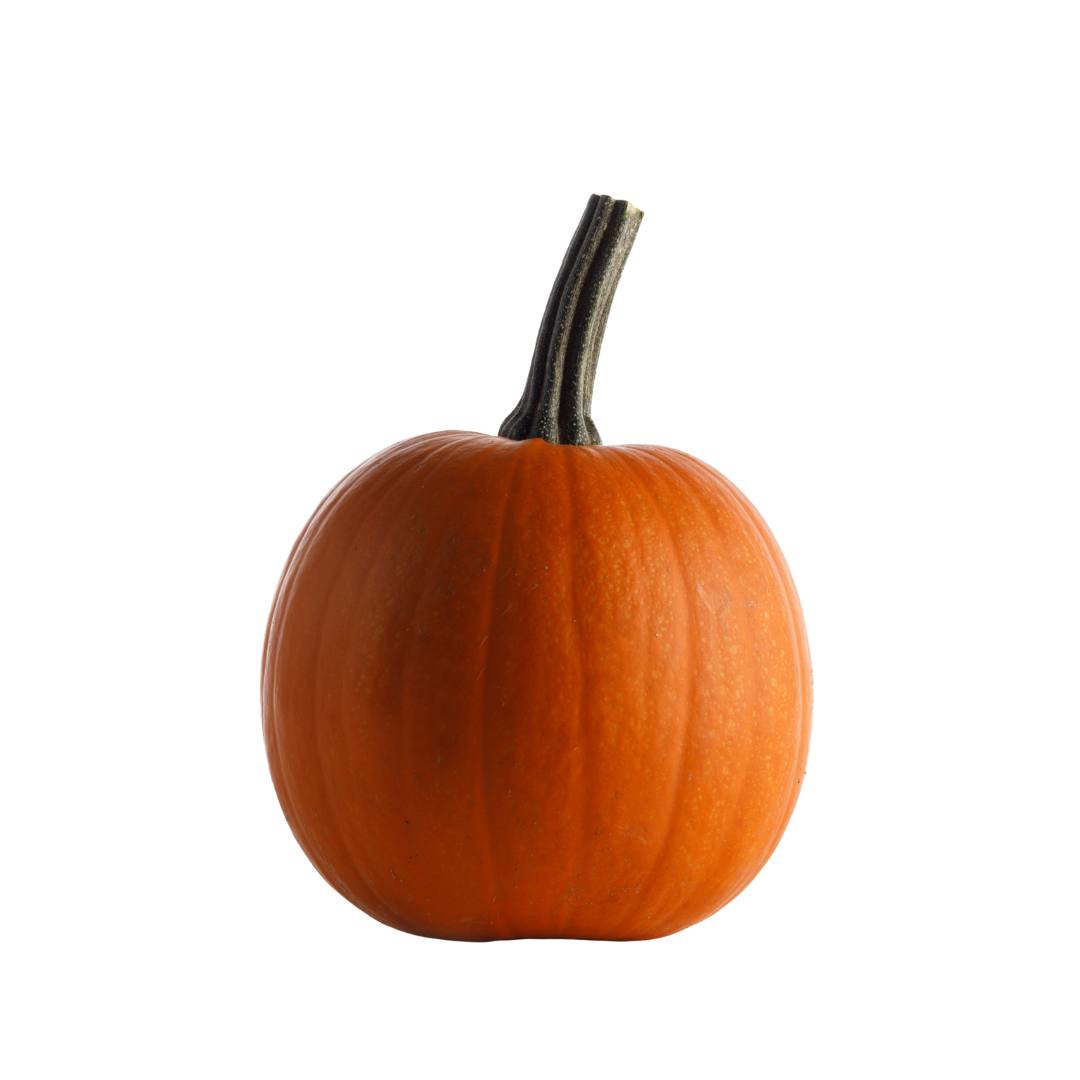
mild culinary pumpkin varieties
- Substitution Ratio: 1:1 by volume of puree
- Flavor Profile: Very mild, slightly bland, and less sweet than butternut
- Texture: Very smooth and often slightly looser/more watery when pureed
- Complements: Maple syrup, cardamom, cloves, thyme, poultry seasoning
- Other Uses: Pie filling, bread, muffins, thickening agents for stews

2. Elevating Roasts & Savory Recipes
Sometimes, you need a squash that holds its shape beautifully under high heat, absorbing the flavors around it while developing a caramelized exterior. These alternatives are my top picks for when the oven is calling, especially for savory applications where butternut’s sweetness might be too much. They shine when cubed or sliced, delivering structural integrity and a hearty bite.

roasted

stuffed squash

air fryer
Delicata Squash
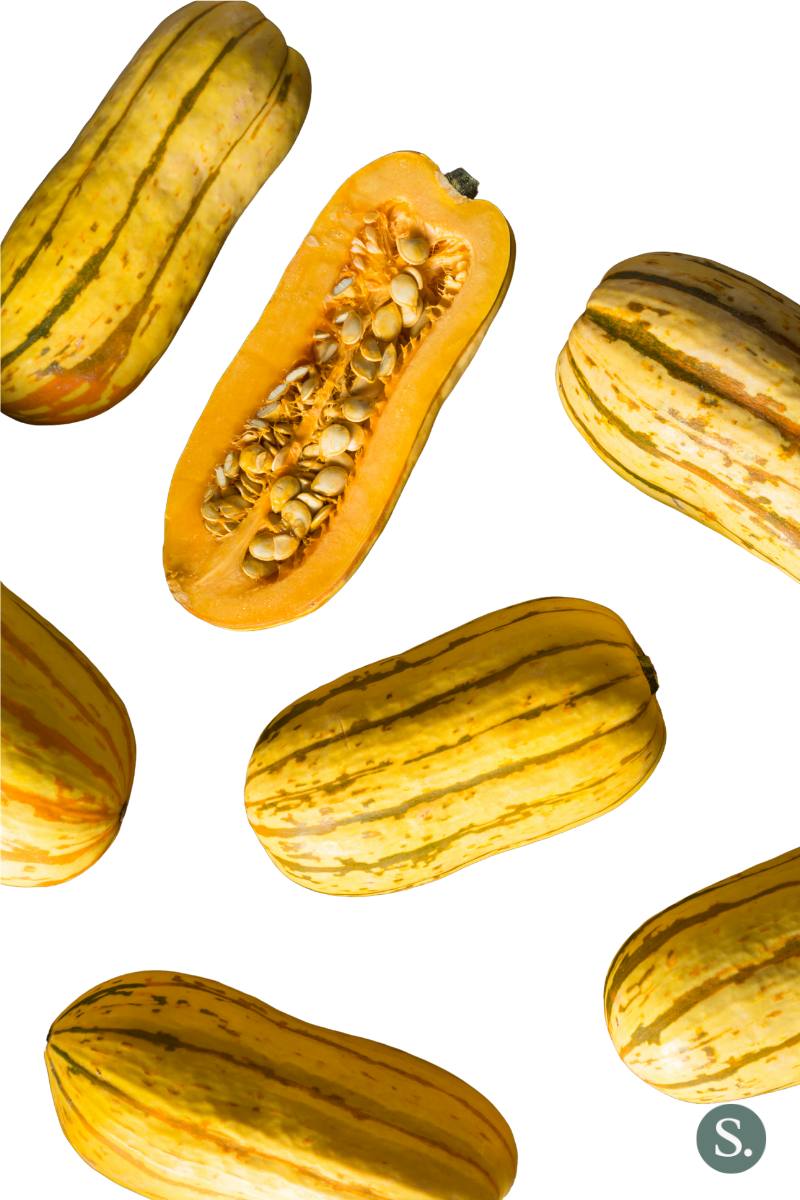
Delicata squash, with its distinctive striped skin, is an absolute gem for roasting. Its mild, nutty flavor is a delightful departure from butternut, allowing other herbs and spices to truly shine. But the real game-changer? Its skin is thin and entirely edible! This means you can simply slice it into rings or half-moons, toss with oil and seasonings (fresh thyme is delish), and roast. It’s a busy weeknight cook’s dream, offering a gorgeous presentation and tender bite without the fuss of peeling. It’s one of my husband’s favorites come fall. (Delicata squash, shallots and a few whole garlic cloves tossed in olive oil and roasted with fresh thyme and paired with the protein of your choice. Perfection every time!)
delicata squash
- Substitution Ratio: 1:1 by weight (adjust for smaller size)
- Flavor Profile: Mild, nutty, and slightly buttery; less sweet than butternut
- Texture: Tender and soft, but holds its shape well when sliced; skin is thin and edible.
- Complements: Olive oil, fresh rosemary, black pepper, Pecorino cheese, balsamic glaze
- Other Uses: Salad topping (roasted), sautéing, stuffing individual boats
Acorn Squash
Acorn squash is a wonderfully reliable choice that often gets overshadowed. I learned to cook winter squash with sweet Acorn and a simple maple glaze with pecans and cinnamon. This squash possesses a firmer, denser flesh than butternut, which allows it to maintain its structure impeccably when roasted. That makes it a fantastic candidate for stuffing; its natural bowl shape is practically begging to be filled with savory grains like wild rice or quinoa, herbs, and perhaps some cheese. It offers a more earthy profile that pairs beautifully with hearty ingredients. You can make a meal of stuffed Acorn squash and feel deeply satisfied.
acorn squash
- Substitution Ratio: 1:1 by weight (or one small acorn for a large butternut end – the round bulky part)
- Flavor Profile: More earthy and savory with a distinct, slightly nutty note
- Texture: Firm and fibrous, with a very dense, starchy texture
- Complements: Butter, brown sugar, cayenne pepper, sausage, wild rice
- Other Uses: Stuffing in halves, baking (often with a sweetener like honey or maple syrup added to the cavity)

3. Substitutions for Soups & Sweets
For those moments when you’re crafting a soul-warming pureed soup, or perhaps venturing into a baked good that relies on the natural sweetness and moistness of squash, these options step up to the plate. They deliver on the vibrant color and inherent sweetness that we love in a classic butternut squash dish.
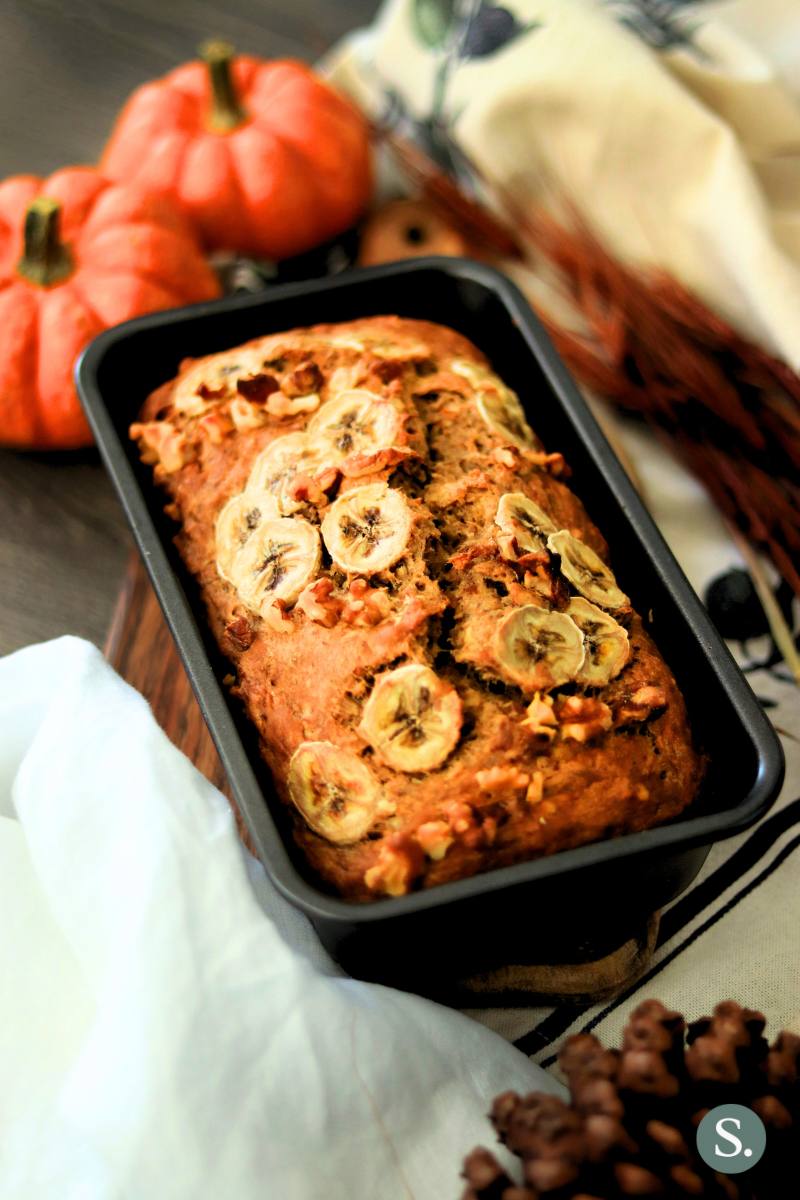
Breads
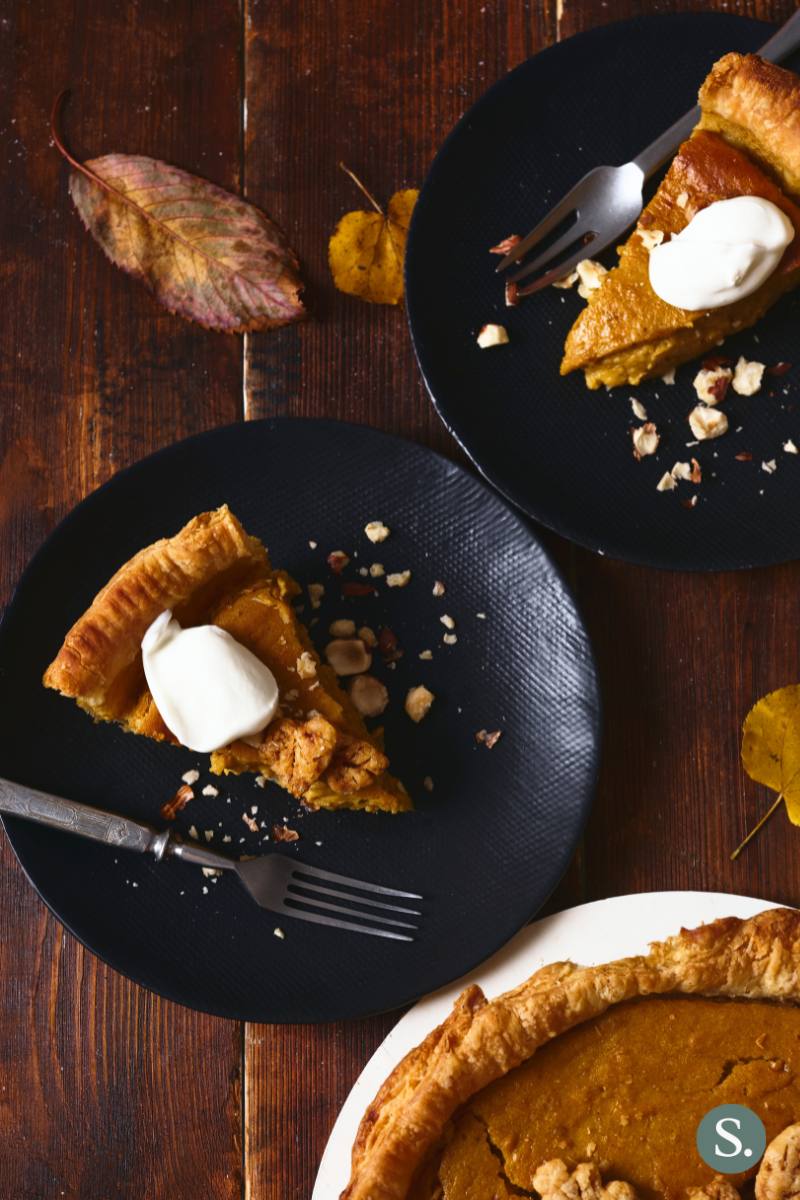
pies
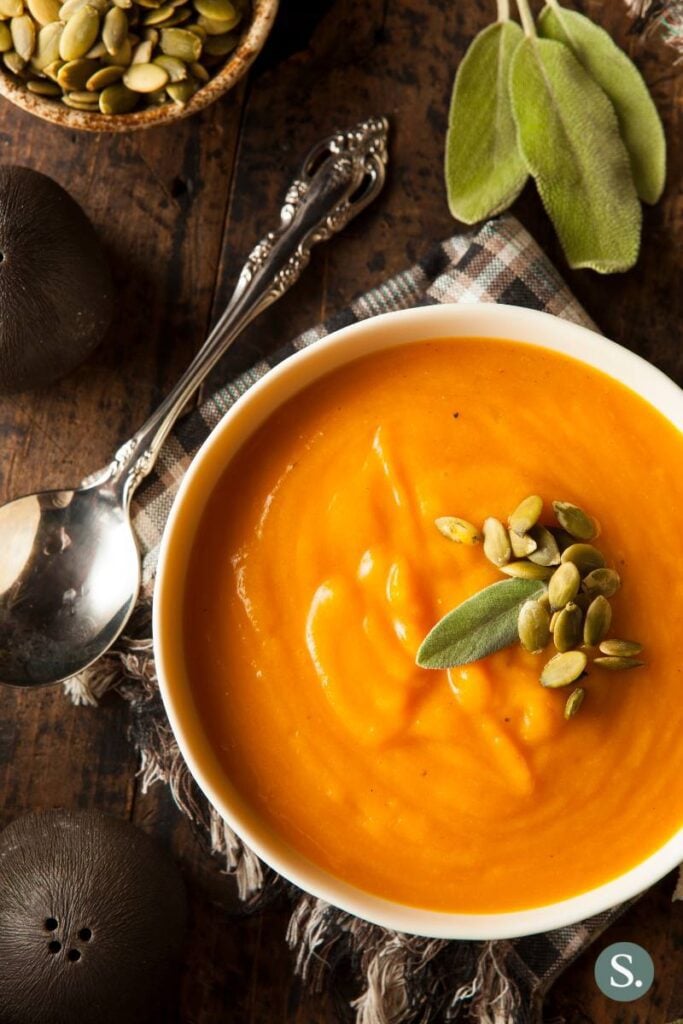
soups
Honeynut Squash
The honeynut squash, though smaller and newer to the scene, is a powerhouse of flavor. Imagine all the best qualities of butternut, but concentrated into a compact package with an even deeper, sweeter, and nuttier profile. When roasted, its sugars caramelize intensely, making it an exquisite choice for sweet applications like pies or even a decadent roasted side dish where you want that unmistakable, rich squash flavor to truly pop. It’s like a butternut squash, amplified. I worked at Cornell University several years ago and only recently learned that the Honeynut is a hybrid squash that was cultivated by a Cornell professor. I miss the Ithaca Farmers Market, where there was always something new and interesting to try!
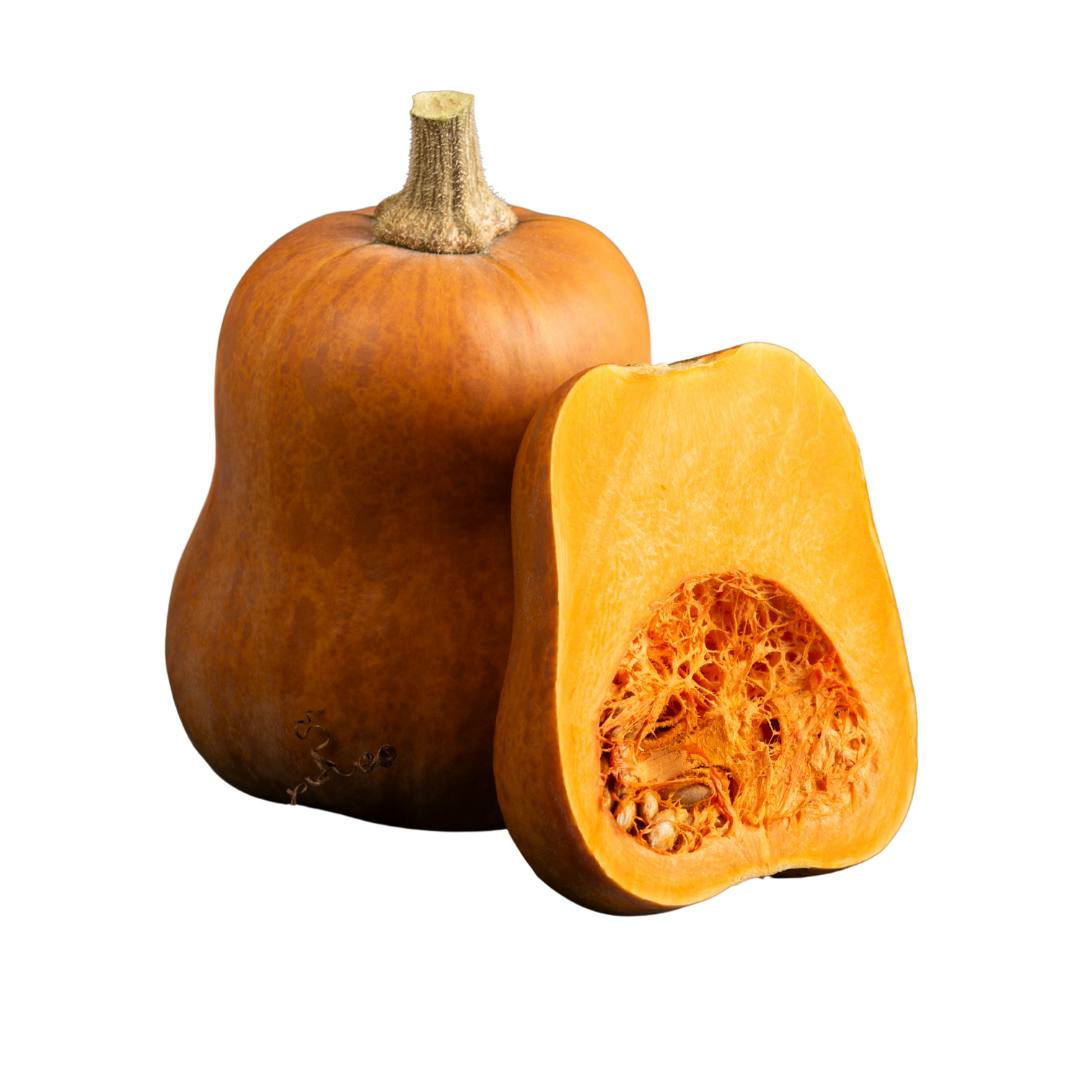
honeynut squash
- Substitution Ratio: 1:1 by weight (or 2 small honeynuts for 1 medium butternut)
- Flavor Profile: Intensely sweet, nutty, and rich—significantly sweeter than butternut
- Texture: Very fine-grained, smooth, and melts in your mouth when roasted; edible skin
- Complements: Brown butter, vanilla bean, ginger, cinnamon, pecans
- Other Uses: Roasting whole, desserts (pies, custards), caramelizing
Featured recipe

Carrot & Ginger Soup
Honeynut Squash is a sweet substitute for the butternut in this nourishing Carrot & Ginger Soup recipe.
Carrots
And finally, let’s not overlook the humble carrot. While not a squash, its vibrant orange hue and inherent sweetness make it a surprisingly effective and readily available substitute for pureed soups. It blends beautifully, offering a silky texture and a natural sweetness that complements ginger, curry, or cinnamon just as well as butternut, but with a slightly lighter, brighter finish. It’s a dependable workhorse that proves you don’t always need a gourd to get that gorgeous color and comforting sweetness. In fact, many butternut soup recipes actually call for a carrot or two. It makes sense that the carrot would also serve as a stand-in.
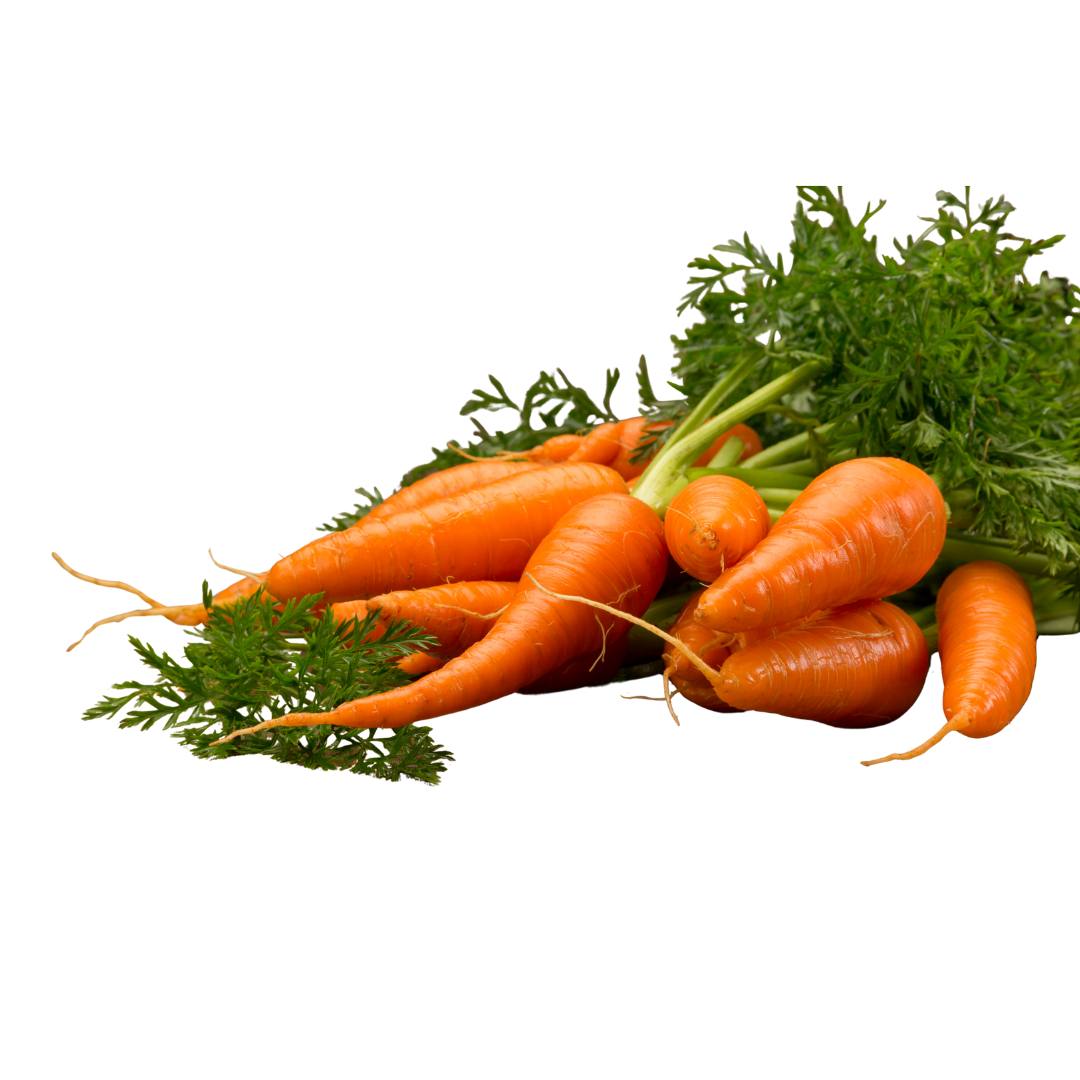
carrots
- Substitution Ratio: 1:1 by weight (use slightly less liquid when cooking)
- Flavor Profile: Sweet, earthy, and brighter than butternut squash
- Texture: Smooth and silky when pureed; requires longer cooking time than squash cubes.
- Complements: Parsnip, ginger, coconut milk, mint, orange zest
- Other Uses: Juicing, side dishes (glazed or roasted), braising
Don’t forget to pin this for later!

Additional Tips & Tricks
Here are a few extra notes from my experience that I hope you will find helpful when swapping out butternut squash for any of the above alternatives.
- Prep Hack for Tough Skins—For any substitute that requires peeling (like sweet potato or acorn squash used for pureeing), consider poking it all over with a fork, wrapping it in a damp paper towel, and microwaving it whole for about 2-4 minutes. This slightly softens the skin, making it much easier and safer to peel before cutting.
- Balancing Sweetness—When using a sweeter alternative like honeynut squash or sweet potatoes in a savory recipe, add a small splash of acid like lemon juice or apple cider vinegar during the final minutes of cooking. This brightens the flavor and prevents the dish from tasting overly sweet.
- Freezer-Friendly Tip—If you’re pureeing any of these substitutes for future use (like in soups or baking), puree it without any additional liquid or seasonings. Then, freeze the puree in 1-cup portions. This gives you ultimate flexibility for sweet or savory applications later on. Don’t forget to date and label your containers.
Frequently Asked Questions
The Perfect Butternut Squash Alternative
At the end of the day, the perfect alternative for butternut squash is the one that works for your specific needs—there’s no one-squash-fits-all solution.
Here’s to embracing the unique qualities of kabocha, delicata, honeynut, sweet potato, acorn, mild pumpkin varieties and even the reliable carrot. Your taste buds thank you for it!


Nice to Meet You!
I’m Cortney, and I’m so glad you’re here. I created Sweet New Roots after nearly two decades as a professional writer, primarily in the healthcare industry. Today, the Lord has blessed me with the opportunity to connect with people like you through Sweet New Roots. I love sharing recipes, evidence-based wellness content and faith-based encouragement and scripture.
Get all our recipes in your inbox!
*Disclaimer
All content and information on this website is for informational purposes only and does not constitute medical advice. Always consult a medical professional or healthcare provider if you are seeking medical advice, diagnosis or treatment. Sweet New Roots, LLC. is not liable for risks or issues associated with using or acting upon the information on this website.