As an Amazon Associate and member of other affiliate programs, I earn from qualifying purchases.
When we think of green detox juice recipes, we often think of thin, strained juices that leave the most beneficial parts of the plant behind—but true wellness starts in the gut.
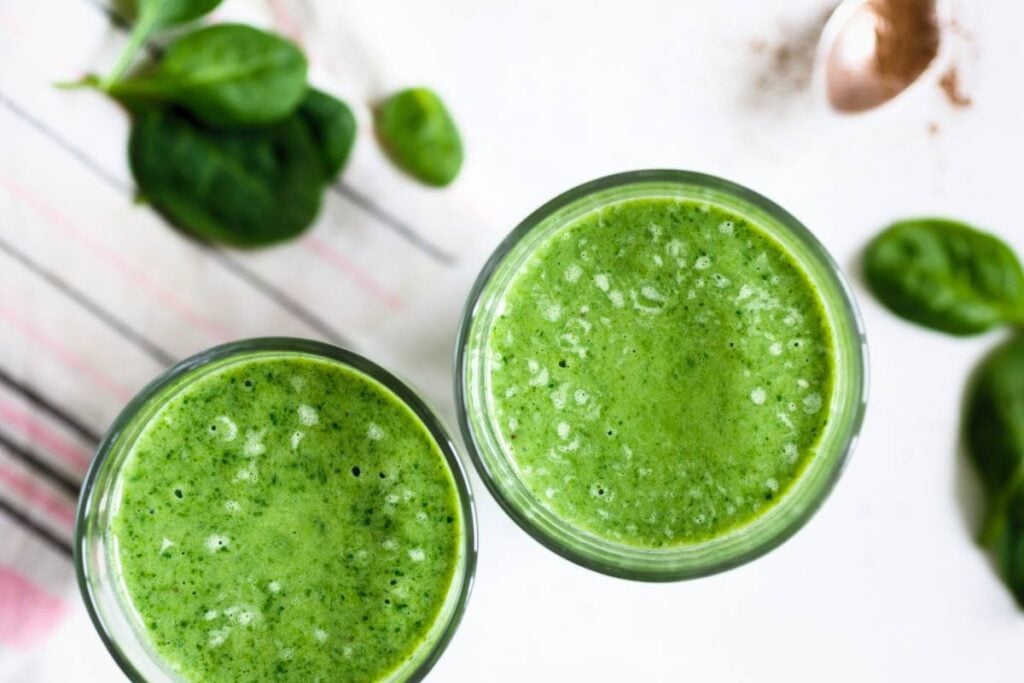
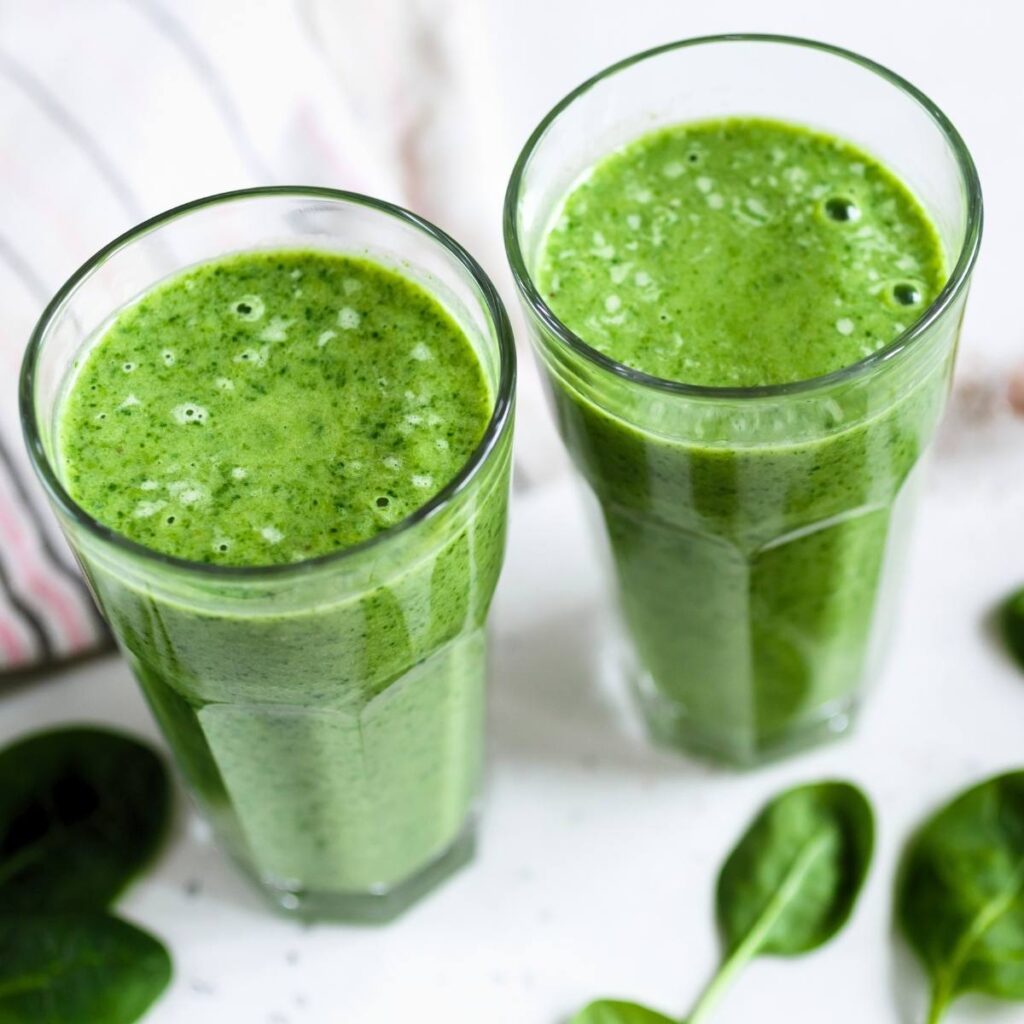
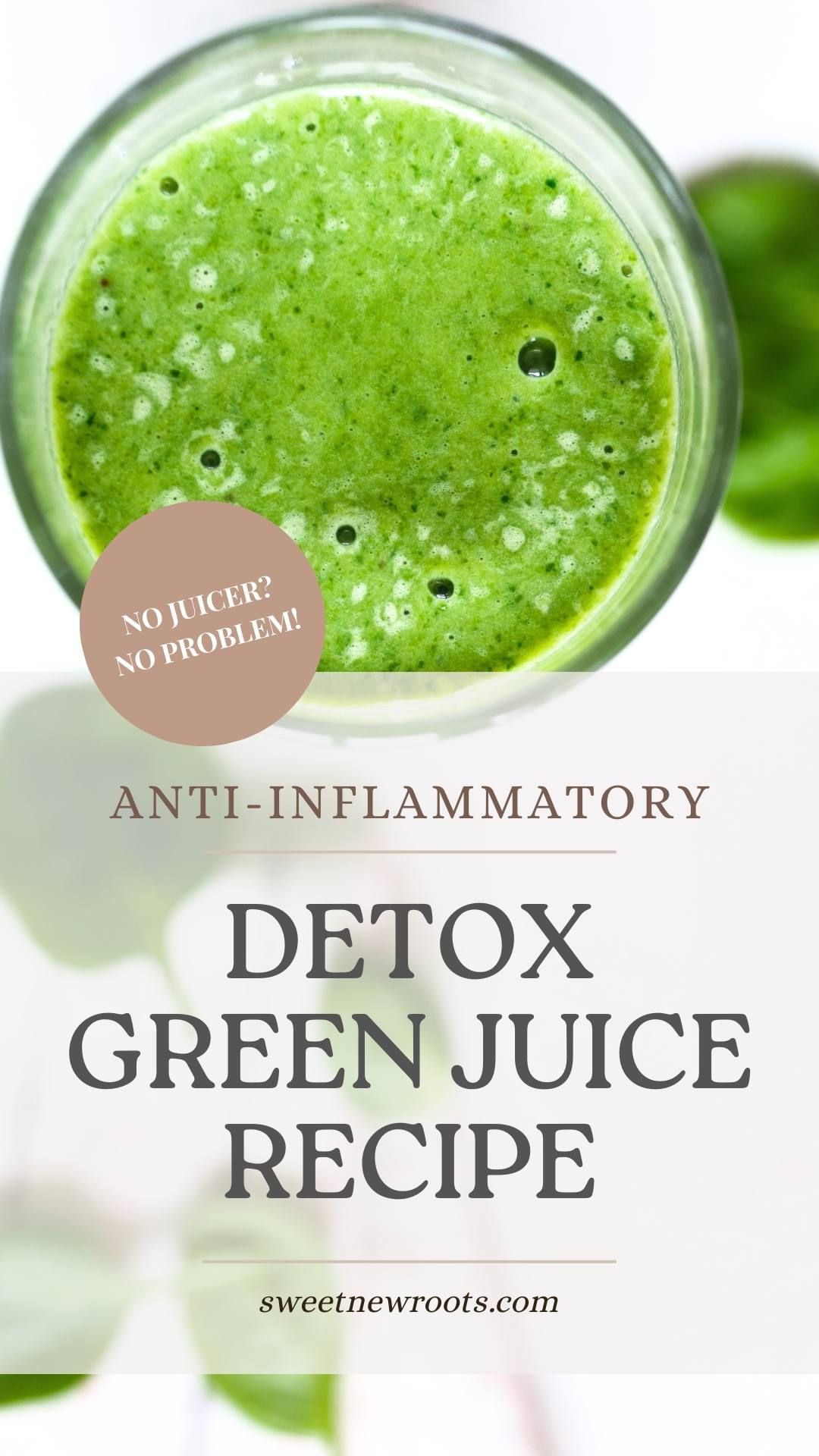
This Anti-Inflammatory Green Detox Juice is a ‘whole-food’ juice, meaning we use a high-powered blender to keep the soluble and insoluble fiber intact. No juicer necessary!
By combining the inflammation-fighting power of ginger and pineapple with the fiber-rich profile of kiwi and greens, you’re giving your body a tool that actually supports digestion rather than bypassing it.
Why You’ll Love This Recipe
Ingredients & Detox Details
This high-fiber green juice is rich in antioxidants and nutrients that support whole-body health. Let’s look specifically at the properties in each ingredient that supports the body’s natural detoxification process.
Use organic produce when possible, but a thorough wash is most important.
|
Ingredient
|
Primary Benefit
|
Why We Love It
|
|---|---|---|
|
Kiwi |
High-Fiber |
Prebiotic fiber for a healthy gut |
|
Ginger |
Anti-Inflammatory |
Soothes the gut and cuts bloating |
|
Spirulina (Optional) |
Detox Support |
Helps the body filter out heavy metals |
|
Pineapple |
Digestion |
Bromelain helps break down proteins |
|
Flax Seeds |
Nutrient Absorption |
Healthy fats absorb vitamins A, D, E & K |
- Kiwi—High in fiber and rich in an antioxidant called glutathione, a critical antioxidant produced by the liver which plays a key role in the detoxification process.
- Greens—Spinach, kale and other super greens are rich in antioxidants and minerals that support liver function and aid in the elimination of toxins from the body.
- Microgreens—These tiny microgreens pack a serious nutritional punch with enzymes and antioxidants that support detoxification.
- Ginger—A potent anti-inflammatory agent that helps soothe the digestive tract and reduce systemic inflammation.
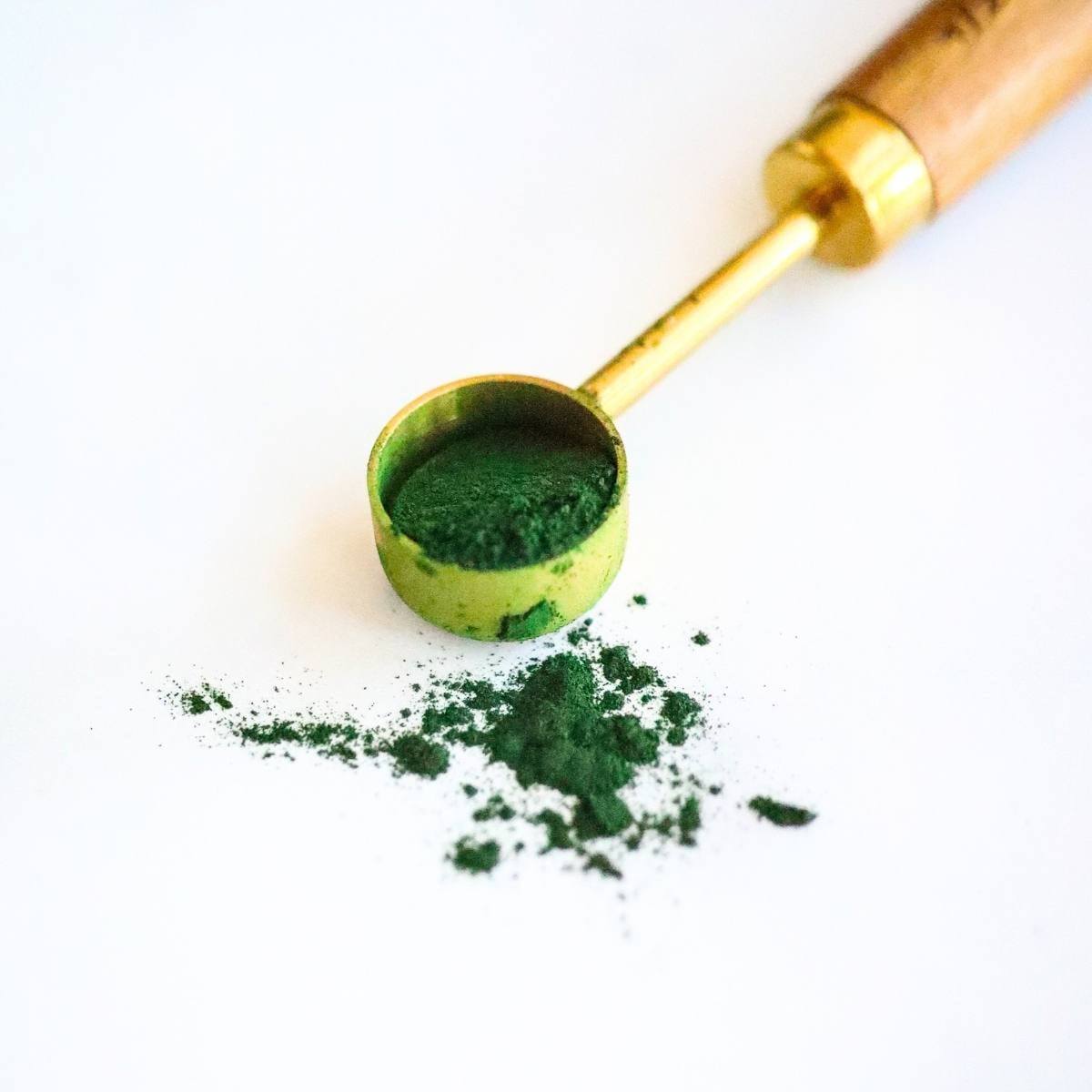
- Spirulina (Optional)—This ingredient is a tasteless, nutrient-dense type of algae that is a powerhouse of protein, vitamins and minerals that can help cleanse the body of heavy metals and other toxins. Feel free to omit it if you don’t have it on hand.
- Flax seeds—Flax is rich in fiber and omega-3 fatty acids, which help promote digestion and the elimination of toxins and waste from the body.
- Pineapple and lemon—Packed with bromelain and Vitamin C, these ingredients work together to break down proteins and flush out inflammatory markers.
- Honey—Honey contains antimicrobial properties as well as flavonoids that can help combat oxidative stress and reduce inflammation. It’s also a digestive aid that can help eliminate waste from the body. Aim for raw, organic, local honey if you can find it.
- Coconut water—Rich in electrolytes and hydrating nutrients, coconut water helps to replenish the body’s fluids and support detoxification.
Why Spirulina?
Substitutions
- Green apple or Bartlett pear—Feel free to swap out fiber-rich green apple or pear for the kiwi.
- Greens—Replace the spinach with whatever greens you have on hand, with discretion. Fresh spinach works well in this recipe thanks to its mild flavor. Bitter greens like collards, chard, and mustard greens are not recommended (especially if you’re new to blender juice recipes or green juice in general).
- Limes—No lemons? No problem. Substitute fresh lime juice.
- Aloe water—Replace the coconut water with aloe water if you want to give your juice a little boost but you’re not big on coconut. Aloe shares the enhanced hydration and digestive benefits we get from pure coconut water. Make sure there’s no added sugar.
Why This Recipe Works: Bioavailability
Unlike traditional juicing, keeping the fiber from the kiwi and flax seeds ensures that the natural sugars in the fruit are absorbed slowly, preventing energy crashes.
If you choose not to include flax seeds, make sure you swap them out for chia seeds or hemp seeds. I always include healthy fats like flax and chia because vitamins A, D, E, and K in leafy greens are fat-soluble—meaning your body absorbs them when healthy fats are present. Get the most from those greens!

Expert Tips for the Perfect Blend
Every palate is different, and the flavor of your greens can change depending on the season. Here’s how to customize your juice for the best experience:
- For a Sweeter Profile: If you’re new to green juice, add a few extra chunks of frozen pineapple or an additional kiwi. This adds natural sweetness without the need for refined sugars.
- To Balance Bitterness: The “earthiness” of kale or microgreens can vary. If your juice tastes too bitter, add a squeeze of extra lemon or ½ cup of pineapple. The acidity and natural enzymes help “cut” the bitter notes perfectly.
- To Adjust Consistency: Because this is a high-fiber, whole-food juice, it will be thicker than traditional strained juice. If you prefer a thinner consistency, simply whisk in extra coconut water or filtered water ¼ cup at a time.
- For a Refreshing Kick: Add a few sprigs of fresh mint or a pinch of turmeric. Mint adds a cooling element that is wonderful for digestion, while turmeric doubles down on the anti-inflammatory benefits.
How to Make Green Juice in a Blender
Step 1. Prep your ingredients.
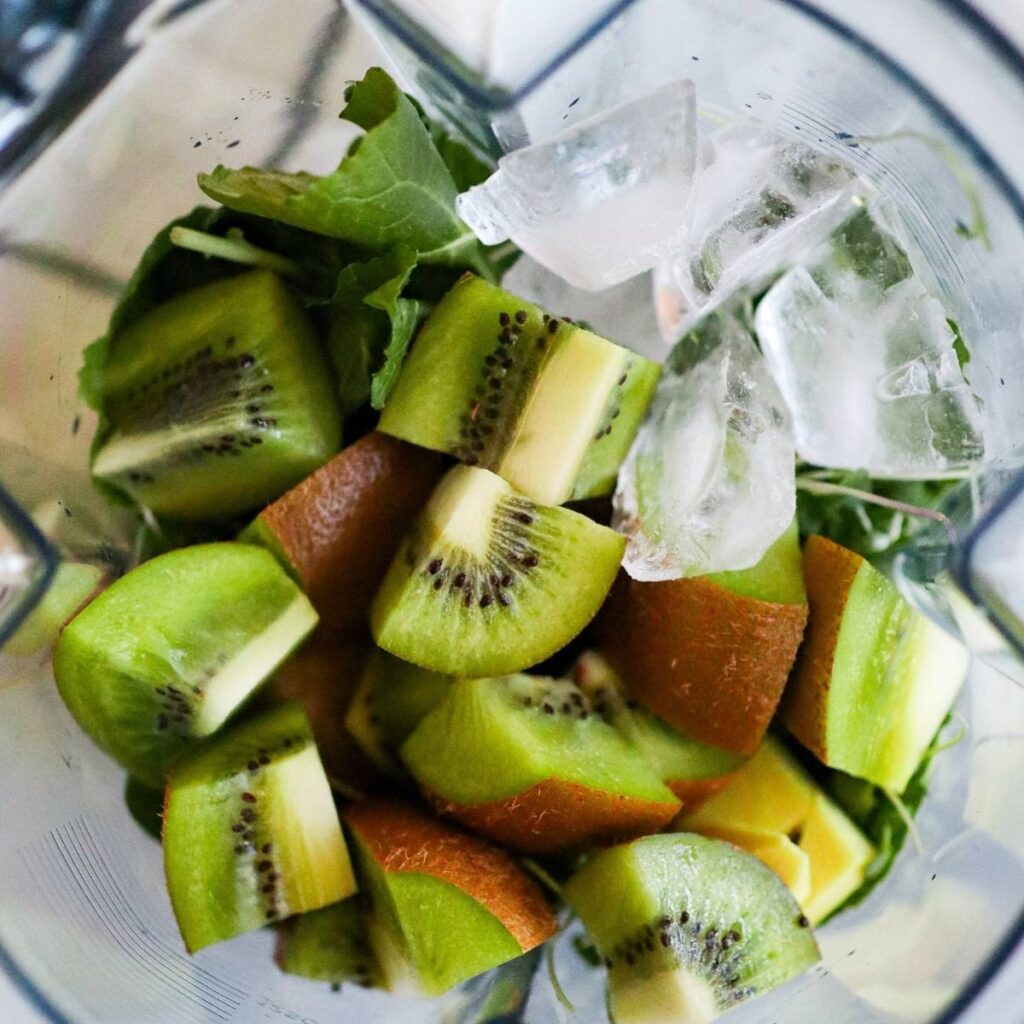
Thoroughly wash all produce. Scrub the ginger and kiwi (you can leave the nutrient-dense kiwi skin on if using a high-powered blender!). Dice the fruit into small chunks and juice the lemon.
Step 2. Layer and blend.
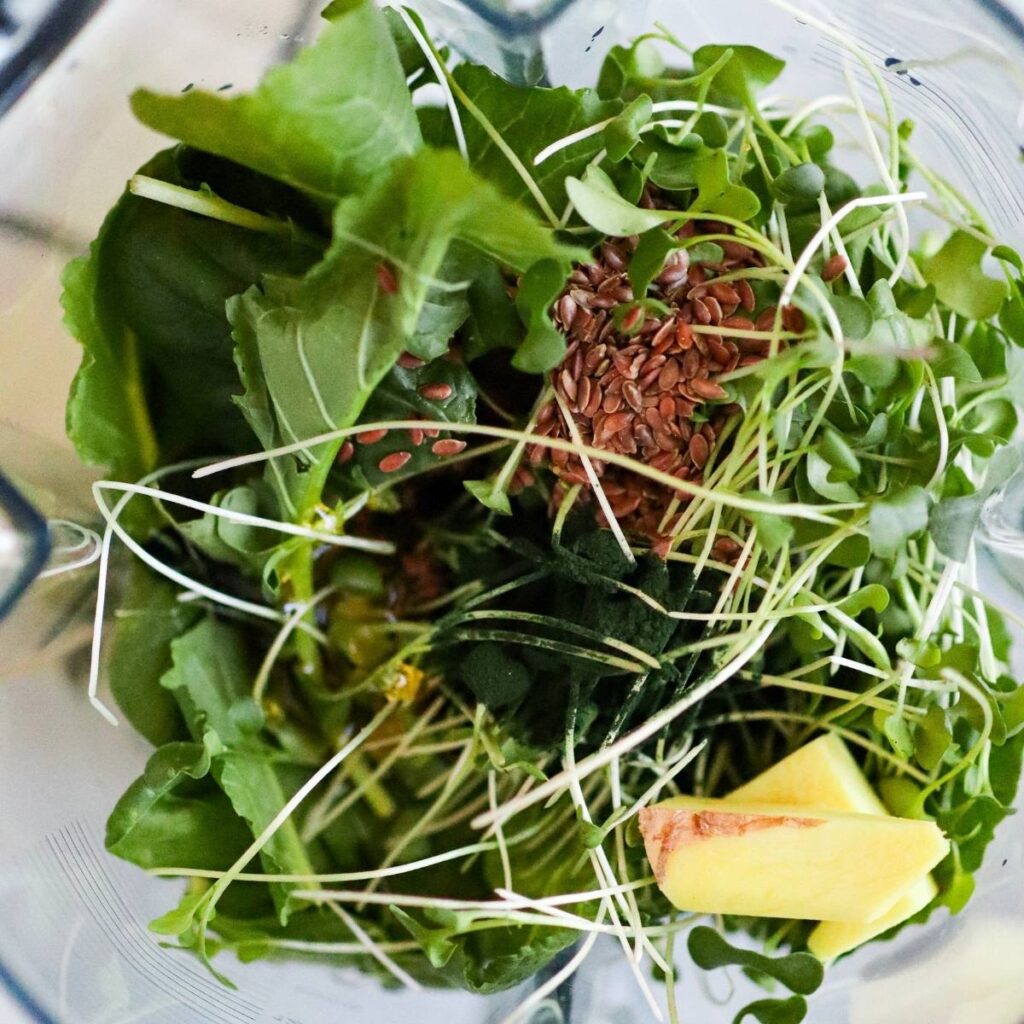
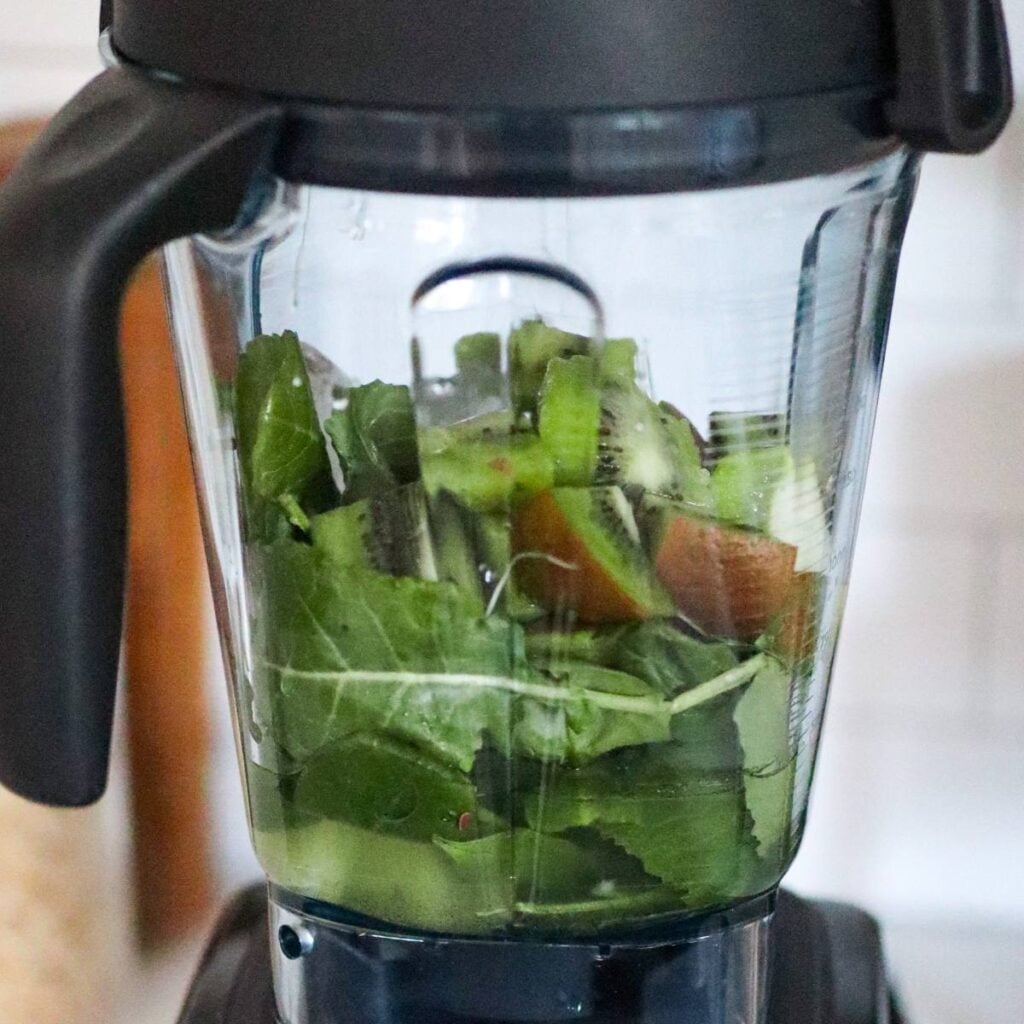
To ensure a juice-like consistency, add your liquids (coconut water, pineapple juice, lemon) to the blender first. Follow with the greens, seeds, and fruit. Blend on high until completely emulsified and no visible bits of greens remain.
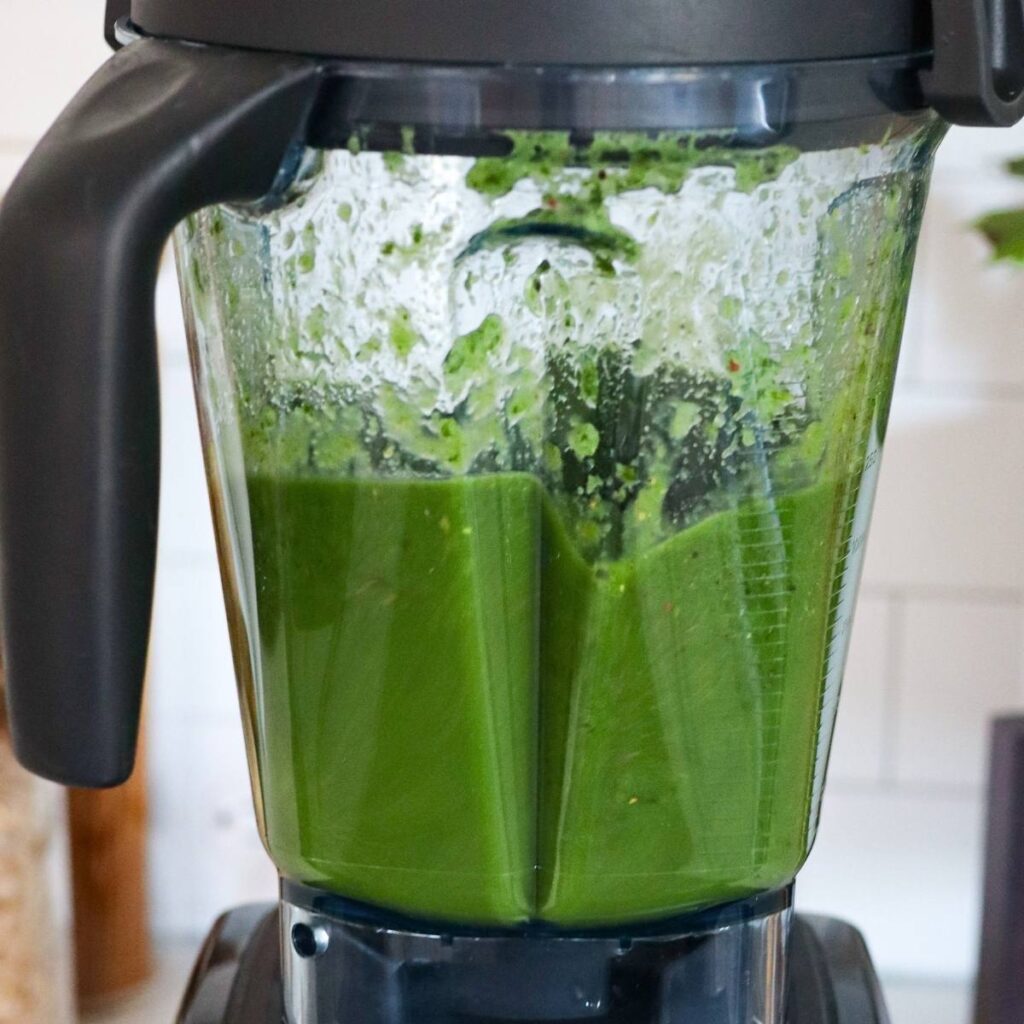
Step 3. Enjoy and store.
Pour into glasses and enjoy immediately for the highest nutrient density. This recipe makes approximately four 8-ounce servings. If you’re saving some for later, see the storage tips below.
Make Ahead & Storage
Anti-Inflammatory Green Juice FAQs
Yes! This recipe is perfect for meal prep. You can store it in an airtight glass jar in the refrigerator for up to 48 hours. For longer storage, I recommend freezing individual portions in freezer-safe jars (leaving an inch of space at the top for expansion) for up to three months.
Both have benefits, but blended “whole-food” juice is superior for gut health. Traditional juicing removes the insoluble fiber (the pulp). By blending the ingredients, you keep the fiber intact, which helps slow the absorption of fruit sugars and keeps you full longer while supporting your body’s natural detoxification pathways.
You can still make this! If your blender leaves the juice a bit “pulpy” or chunky, simply pour the finished blend through a fine-mesh strainer or a nut milk bag. You will still retain more nutrients than store-bought options, and the texture will be silky smooth.
If you are new to green juices, baby spinach is the gold standard because of its mild flavor and high nutrient density. As your palate adjusts, you can introduce more robust, anti-inflammatory greens like kale, Swiss chard, or microgreens for a more complex nutritional profile.
While you can use frozen spinach or kale, I always recommend fresh greens for this specific juice. Frozen greens tend to have a much stronger, “earthier” flavor and a softer texture that can make the juice taste more like a concentrated vegetable soup. Fresh greens keep the flavor bright, crisp, and refreshing.
While organic produce is a great way to reduce pesticide exposure, it is not a requirement for a healthy lifestyle. The most important step is to thoroughly wash all your fruits and vegetables (even the ones with skins you don’t eat, like lemon) to remove any surface residues.

Nourished for Purpose
True detoxification is about more than just what we remove from our bodies; it’s about what we gain—clarity, energy, and a sense of groundedness.
When we nourish ourselves with whole-food ingredients like ginger and greens, we aren’t just checking a health box. We’re fueling our bodies so we can show up fully for the work, the people, and the purpose we were created for today.
The human body’s natural detoxification process is truly incredible. It’s a powerful reminder that we’ve been intentionally equipped by our Creator with everything we need to steward our health well.
I hope this recipe leaves you feeling nourished for His purpose.


Anti-Inflammatory Green Detox Juice (Blender Recipe)
Equipment
As an Amazon Associate, I earn from qualifying purchases.
Ingredients
- 2 tablespoons fresh lemon juice
- 1 cup no-added sugar pineapple juice
- 1 cup unsweetened coconut water
- 2 large handfuls super greens such as spinach and kale
- ¼ cup fresh or frozen microgreens
- 3 kiwis
- 1- inch knob of fresh ginger
- ½ teaspoon organic spirulina powder
- 1 tablespoon flax seeds
- 2 tablespoons raw organic honey
Instructions
- Prep your ingredients. Thoroughly wash all produce. Scrub the ginger and kiwi (you can leave the nutrient-dense kiwi skin on if using a high-powered blender!). Dice the fruit into small chunks and juice the lemon.
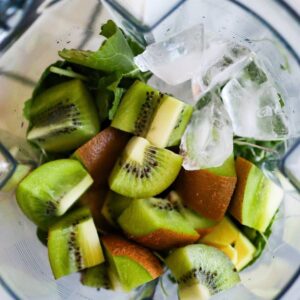
- Layer and blend. To ensure a juice-like consistency, add your liquids (coconut water, pineapple juice, lemon) to the blender first. Follow with the greens, seeds, and fruit. Blend on high until completely emulsified and no visible bits of greens remain.
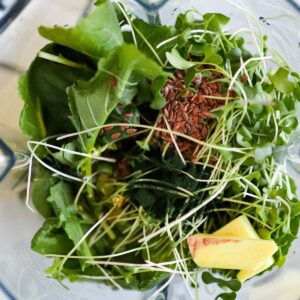
- Enjoy and store. Pour into glasses and enjoy immediately for the highest nutrient density. This recipe makes approximately four 8-ounce servings. If you're saving some for later, see the storage tips in the notes section below.
Notes
- Refrigerate: Store in an airtight glass jar for up to 48 hours. Give it a quick shake before drinking, as natural separation will occur.
- Freeze: Fill glass jars only ¾ full to allow for expansion. Thaw in the fridge overnight.
- Avoid Heat: Do not heat or leave the juice at room temperature, as this can degrade the delicate enzymes and antioxidants.

More Anti-Inflammatory Juice Recipes
If you’re looking for more ways to support your liver, check out my collection of smoothies and Juices for Liver Detox & Immune Health.
Don’t forget to pin this for later!
Disclaimer: All content and information on this website is for informational purposes only and does not constitute medical advice. Always consult a medical professional or healthcare provider if you are seeking medical advice, diagnosis or treatment. Sweet New Roots is not liable for risks or issues associated with using or acting upon the information on this website.